

How to Repair a Broken Window
Broken window glass could be the result of a storm or a child playing the ball. It could cause more problems like water leakage or a draft which increases the cost of energy.
Depending on the severity of the crack, there are several ways you can repair it. Here are a few suggestions to consider.
Tape
A good old-fashioned roll of tape can be a temporary solution to cracks in windows. It's cheap, easy to use, and can be used effectively. Cover both sides of the cracked area to make it as secure as possible. This will limit the amount of air that can enter the window which can cause further damage to the glass, or cause it to shatter. Clear tape is an excellent option because it looks better than duct tap and does not leave sticky residue when removed.
There is also specialized adhesive tape specifically designed for the repair of damaged window screens and can be found at most hardware stores. It is available in two x 30 feet lengths, and creates an invisible patch. This stops the tear or crack from spreading. This is useful for window enclosures for boats, RV or tent vinyl windows and even car windows with soft tops. It is simple to use and doesn't require any special tools or skills. Simply cut the proper size, take off the release paper and apply it. It is a saltwater and UV resistant, and made of an extremely durable material that is able to withstand harsh environments. This will help you save money by not having to purchase an entire window replacement.
Super Glue
Super glue to repair your glass is a quick fix for small chips and cracks in glass. These adhesives join with hydroxyl ions that are present on the surface of glass making a strong grip in just a few seconds. Cyanoacrylate glues are also good for attaching wood, metal and ceramic to glass as they can withstand moisture and high temperatures. If you're working on a large project, however it's worthwhile to invest in epoxy or silicone for greater hold and speedier drying time.
Before applying any kind of glue to a broken window it is essential to prepare the surface. It is important to clear any debris that may be present and ensure that both surfaces are clean and dry. It's also recommended to roughen the surface especially if it is extremely smooth. A slight sanding gives the adhesive more surface to adhere to, resulting in a stronger bond.
If you are ready to begin the actual repair, it is important to use a product that has been specially formulated for glasses. This will ensure that the glue is safe to use and won't leave any unpleasant marks or fingerprints. Select clear glue that will become transparent after it's dried. Avoid glues that expand after they dry, since this can cause cracks in glass.
It is also important to consider how the glass will be used. Super glue is fine when the glass is kept inside and will not be under much stress. In contrast, if the glass is going to be used as part of the windshield it is advisable to use an adhesive that is weatherproof.
Super glues are able to cure in a variety. Some require chemical accelerators to accelerate the process, and it is important to follow the instructions of the manufacturer carefully. It's also a good idea to work in a well-ventilated location and open all windows to allow more air circulation, since this will allow the glue to dry faster. You can also make use of a fan to boost the air flow around your work area. This will allow it to dry faster.
Glass Repair Film
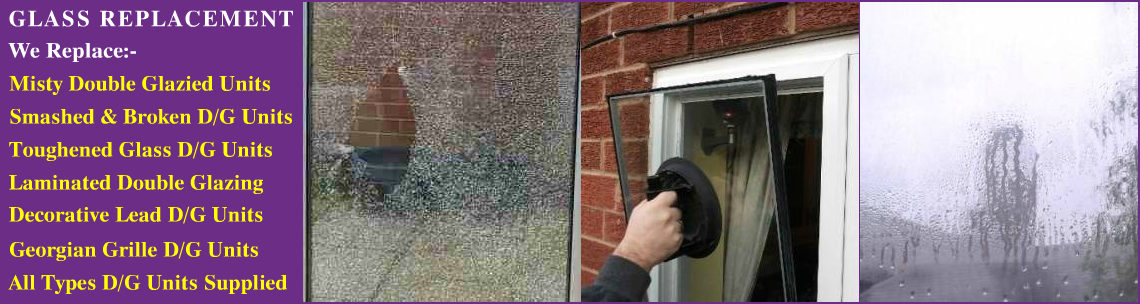
Glass repair film is an efficient and practical method to make windows that have cracked safe until they can be professionally repaired or replaced. It's easy and quick to install and can be installed by anyone, not just skilled tradesmen. It is less expensive than traditional window glass board up and will keep rain out and heat in. It also has the appearance of a glazed window and is perfect for schools, hospitals glasshouses, offices, shops and factories.
If a window is damaged, the sharp shards left behind can cause severe injuries or even death. Safety window films contain a strong adhesive that makes glass that has been broken much safer by securing fragments inside the film. The film is transparent, which means light can pass through and it's less noticeable than board ups, especially for businesses that rely on their customers coming to their premises.
The film can easily be cut with a knife or scissors. It is backed by an easy-to-peel backing that has a grid on it to aid in cutting. It can be placed on either side of a windows. If the surface is uneven the film can be overlapping 10cm to provide additional security.
There are a variety of safety window films available in accordance with the kind of breakage. Gray safety film is recommended for star breaks, whereas amber safety films are best for bullseye breakages and other breaks that have lots of small cracks. Films should be placed on clean, damp glass. It is recommended that you use a polyethylene squeegee and a soap solution. Once the film has stuck to the glass, it is best to let it set for a few days.
This self-adhesive, heavy-duty film is designed to stabilize and weatherproof damaged or broken glass until a permanent repair can be made. Eastman Films has years of experience in manufacturing security and safety window films. The film is offered in 15 metre long, 914mm wide rolls. It comes with a backing paper and release liner.
Paint
When painting a window, it is essential to complete a thorough job. This will make the paint look nicer and allow it to adhere better. Be sure to wash the window and scrape off any loose paint or wood. It is also important to take out any hardware, such as handles and latches. You should also remove the sanding from the surface you are going to paint. This will result in an area that is smooth so that the primer and paint can be able to bond.
It is important to protect the areas around the window with plastic sheeting and painters tape. This will stop paint from getting on areas that aren't supposed to be painted. I prefer using green frog tape to do this because it creates an uncluttered line and makes it easy to remove when the time arrives. It's also a good idea to apply painters tape to any edges that are delicate and connect to the wall surfaces.
After the window has been secured and the window is secured, it's time to begin the actual painting process. You'll want to apply a few coats of primer, letting each one dry before moving on. After priming the area, you can lightly sand the entire surface using fine-grit sandpaper. This will smooth the surface for the next coat, and also remove any dust.
If you are using acrylic or oil based paints and primers, then you'll need to wait for them to completely dry before you begin painting. Based on the type of paint you're using, this can take up to 24 hours.
It's time to begin painting after the primer and paint have dried. It is recommended to work from the inside out painting rails (horizontals) before stiles (verticals). This will help to keep drips from accumulating on the glass. Keep repairmywindowsanddoors.co.uk to clean any paint drips immediately.